Optical power meter how to use?
An optical power meter is a perfect device used to assess how strong light is. It proves very practical for technicians and engineers as it is very useful for them in everyday life applications. Because all of those devices rely on light, they use it...

2025-05-22
8 min read
An optical power meter is a perfect device used to assess how strong light is. It proves very practical for technicians and engineers as it is very useful for them in everyday life applications. Because all of those devices rely on light, they use it to ensure those devices are functioning correctly and generating the appropriate level of light. If a device performs poorly, it may fail to generate sufficient light or it may generate excessive amounts. This can create issues in many sectors such as telecommunications, which is communication over distances, medicine, where many prescriptions need accurate measurements regarding dosages for treatment, and manufacturing, where there are countless products.
How to Use a Optical Power Meter
Using an optical power meter makes it a little more tricky at the begining, but do not be worry! It’s actually quite easy if you follow these simple steps:
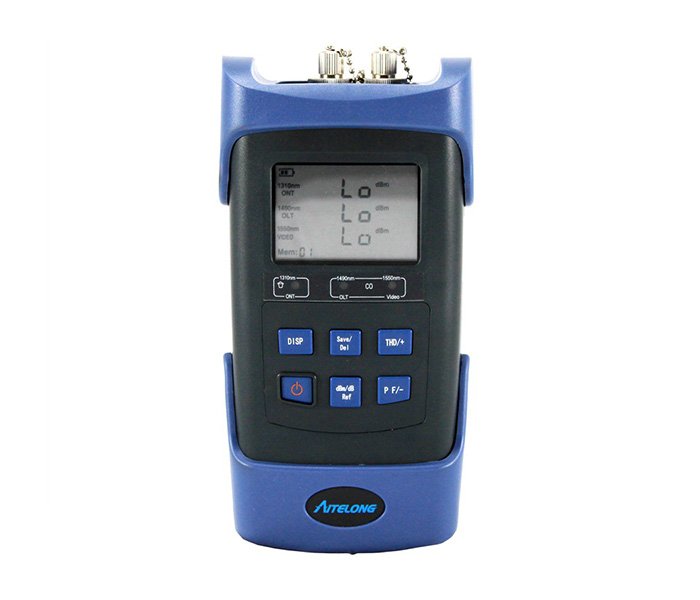
First, turn on the optical power meter. Pressing the power button will accomplish this, which is typically well marked.
Now connect the optical power meter to the light device you want to measure. For this fiber optic power meter task, they use a random laser light special fiber optic cable system, which was able to transfer light effectively.
Next, set the optical power meter to the light wavelength you wish to measure. This matters because various types of light possess varying wavelengths.
When everything is connected and these devices are set, press the “Measure” button to begin measuring the light.
Next, read the power indication on the optical power meter screen. This will help you understand the brightness of the light.
Finally, remember to jot down the measurement. This is critical to be able to reference later if you need to recheck the device.
How to Get Accurate Readings
Tip 1 — Get smart guidance on optical power meter use
Regularly clean the optical fiber end face and the optical power meter. This optic power meter will help ensure a strong and reliable connection, which is essential for accurate measurements.
Periodic checking and calibration also ensure the optical power meter remains in good operating condition and accurate reading. Just think of it as tuning a musical instrument!
Another way to ensure accuracy is by taking several readings. If you take the average of these readings for best results this means that you will get a better understanding of how strong the light is.
In case the power of the light is having such high values that the optical power meter cannot give accurate reading then an optical attenuator can be used. Whereas, the meter provides a proper response, when the power level is reduced by its device.
And finally, do not put the optical power meter in extremely hot or wet places. Harsh temperatures and moisture can damage it and cause the tool not work as well.
Common Mistakes to Avoid
Here are common mistakes to avoid when using an optical power meter that can result in incorrect measurements:
Incorrectly connecting the fiber optic cable can cause you to have unreliable or wrong readings. Always verify that the connection is secure.
A common mistake that can lead to wrong results is not using the correct wavelength on the optical power meter. Always check this setting before taking measurements.
Over time, the optical power meter can give wrong results if it not periodically adjusted. Like any other device, it requires proper care and maintenance.
Operating the optical power meter in harsh conditions without adequate protection will ruin it. Use It When Suitable, Always Try.
Making a mistake by relying on only one measurement without checking it again. Confirmatory by taking several readings is always a good thing.
Pro-Tips for Optical Power Meter
Another way of really making the most of your optical power meter, is to try these expert level tips:
In addition to the optical power meter, use an optical time-domain reflectometer (OTDR). With this combination, you can test the optical fibres, if there are any faults or problems in them.
Perform power loss measurements to evaluate the performance of the optical components. If researchers can identify areas that are raising red flags, it can be very useful for maintaining quality.
Use software to implement automated testing procedures to simplify the measurement process. Locally, this is going to save time and increase efficiency; you do your job easier.
Try different measuring methods like average power, peak power, and relative power. These optical power meter wavelength range modes, in addition to providing insights into how the optical system itself is working, can also give you a fuller view of how other parts of your setup are functioning.
Finally, work with other professionals in the field. Co-working enables you to pass on knowledge and learn more skills to use optical power meters and use them even more efficiently.
With a strong grasp on the fundamentals, a straightforward step-by-step guide, valuable tips, guidance for common mistakes, and insights into advanced techniques, you can make the most out of your optical power meter. Your hundredth time to get to this point could be a three years later, for in no time, you will get pretty good at using this essential component in optical arrays. The more you practice, the better you will get!
Share